

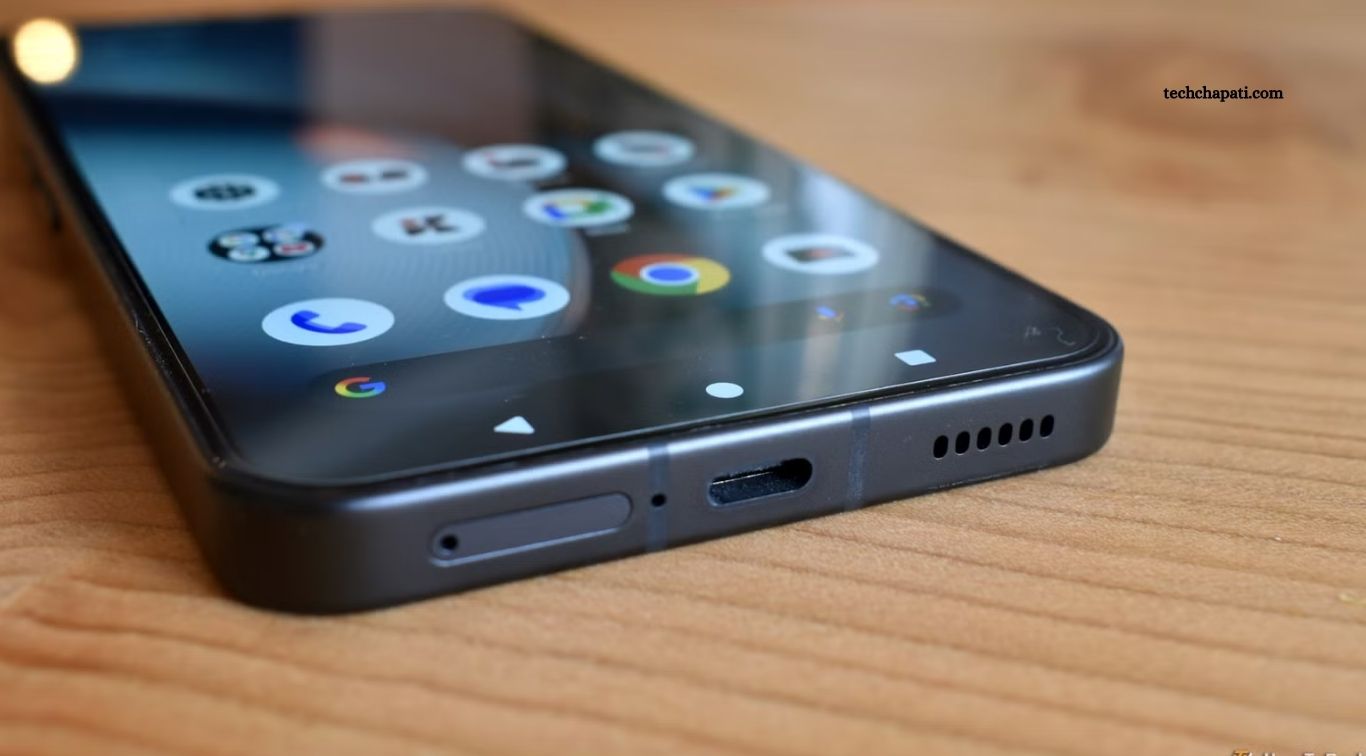
Upgrading to a new smartphone can improve your daily experience with faster performance, better cameras, longer battery life, and smarter software features. Modern smartphones offer advanced displays, powerful processors, artificial intelligence tools, improved security, and faster connectivity. However, choosing the right device requires more than comparing prices or selecting the newest model.
The best smartphone features depend on how you use your device. Gamers may prioritize performance and refresh rates, photographers may need versatile cameras, and business users may value battery life, security, and multitasking. Understanding the most important specifications before upgrading can help you choose a smartphone that offers long-term value without paying for features you rarely use.
Read More: Emerging Computing Technologies Worth Watching Beyond 2026
Processor Performance and RAM
A smartphone’s processor determines how efficiently it handles applications, games, photography, multitasking, and artificial intelligence features. Modern processors can deliver faster app launches, smoother animations, and better energy efficiency than older chips. If your current phone frequently freezes, overheats, or struggles with demanding applications, upgrading to a device with a more capable processor may provide a noticeable improvement.
RAM also affects how smoothly a phone handles multiple applications. More RAM can help keep apps available in the background and reduce unnecessary reloads, although software optimization matters too. Everyday users may not need the highest memory configuration, while gamers, content creators, and heavy multitaskers can benefit from additional capacity. Compare real-world performance reviews rather than relying entirely on processor names or specification numbers.
Display Quality and Refresh Rate
The display is one of the most important smartphone features because you interact with it throughout the day. Look for a screen with good brightness, accurate colors, clear text, and strong outdoor visibility. OLED and AMOLED displays often provide deep blacks and rich contrast, while suitable LCD panels can still deliver excellent results at lower prices. Screen resolution also matters, particularly when reading small text, viewing photographs, or watching high-quality videos.
Refresh rate determines how often the display updates each second. A 90Hz or 120Hz screen can make scrolling, animations, and supported games feel smoother than a traditional 60Hz display. However, a higher refresh rate can affect battery consumption, depending on the device and its adaptive refresh technology. Before upgrading, consider screen size, brightness, refresh rate, durability, and how comfortable the display feels during everyday use.
Camera Quality and Photography Features
Camera quality is a major reason many people upgrade their smartphones. Modern devices can offer improved low-light photography, optical image stabilization, portrait effects, high-resolution sensors, and advanced video recording. However, megapixel counts alone do not determine image quality. Sensor size, lens quality, image processing, autofocus, and stabilization can have a greater impact on the final photograph.
Consider the types of photographs you take most often. A telephoto camera can help capture distant subjects, while an ultrawide lens is useful for landscapes, group photos, and architecture. Optical image stabilization can reduce blur, particularly in low-light conditions or while recording video. If you frequently create social media content, also check front-camera quality, microphone performance, video resolution, and whether the phone supports the recording features you need.
Battery Life and Fast Charging
Battery life is essential for anyone who uses a smartphone throughout the day. A larger battery capacity can help, but actual endurance also depends on processor efficiency, display settings, software optimization, network conditions, and application usage. Reading independent battery tests can provide a more realistic idea of how long a phone lasts during browsing, video streaming, gaming, and standby time.
Fast charging can reduce the time required to recharge your device, while wireless charging adds convenience on compatible models. Some smartphones also support battery protection features that help reduce long-term battery wear. Before buying, check the charging speed, charger availability, wireless charging support, and battery replacement options. A phone that lasts comfortably through your typical day may be more valuable than one offering impressive specifications but inconsistent endurance.
Storage Capacity and Expandability
Storage determines how many applications, photographs, videos, games, and downloaded files your smartphone can hold. If you frequently record high-resolution videos, install large games, or keep years of photographs on your device, limited storage can quickly become frustrating. A phone with adequate built-in capacity can reduce the need to delete files or manage storage constantly.
Cloud storage and expandable memory may offer additional flexibility, but not every smartphone supports memory cards. Cloud services can also require an internet connection and may involve recurring subscription costs. Before upgrading, review how much storage your current phone uses and consider your expected needs over the next few years. Choosing enough capacity at purchase is often more convenient than relying on frequent cleanup or expensive storage upgrades later.
Software Updates and Long-Term Support
Software support is one of the most important features to check before buying a new smartphone. Operating system updates can introduce new capabilities, improve compatibility, and fix software problems. Security updates help protect devices against known vulnerabilities. A phone with a clear, reliable update policy can remain useful for longer and may offer better value than a cheaper device with limited support.
Update policies vary by manufacturer, model, and region. Check how many operating system upgrades and security updates the specific phone is expected to receive, and confirm when support begins. Also consider whether the manufacturer has a good record of delivering updates on time. If you plan to keep your next smartphone for several years, long-term software support should be a major factor in your decision.
5G Connectivity, Wi-Fi, and Bluetooth
Modern connectivity features can improve browsing, downloads, video streaming, online gaming, and communication. A 5G-compatible smartphone may offer faster mobile data speeds and improved network capacity where compatible networks are available. However, actual performance depends on local coverage, network congestion, carrier support, and your mobile plan. If 5G service is limited in your area, a phone’s other features may matter more in everyday use.
Wi-Fi and Bluetooth specifications also deserve attention. Newer supported Wi-Fi standards can improve wireless performance with compatible routers, while modern Bluetooth versions may offer improvements in efficiency and connectivity. Users who rely on wireless headphones, smartwatches, laptops, or other accessories should check compatibility before purchasing. Strong network support and stable connections can make a greater difference to daily convenience than a small increase in headline download speeds.
Artificial Intelligence and Smart Features
Artificial intelligence is becoming a major part of the smartphone experience. Depending on the model, AI features can help summarize text, translate conversations, edit photographs, transcribe recordings, organize information, and improve voice assistance. Some devices also use AI to enhance image processing, reduce background noise, or make searches more convenient. These tools can save time when they work well with your everyday tasks.
Not every smartphone offers the same AI capabilities, and some features require an internet connection, a compatible account, or a paid service. Others may process information directly on the device, which can offer different privacy and availability benefits. Before upgrading for AI, identify the functions you would actually use and check whether they are supported in your language and region. Avoid paying a premium for marketing features that do not provide meaningful benefits.
Security, Privacy, and Biometric Protection
Smartphones contain personal photographs, messages, financial information, work documents, and account credentials. Security features such as fingerprint readers, facial recognition, device encryption, and secure authentication can help protect this information. A reliable biometric system also makes it easier to unlock the device and approve supported actions without repeatedly entering a password.
Privacy controls are equally important. Look for clear permissions management, options to restrict location access, and tools that show which applications use your camera or microphone. Regular security updates and a dependable app ecosystem also contribute to device safety. Before upgrading, check how the manufacturer handles security support and whether the phone offers the protections you need for banking, business communication, and everyday browsing.
Build Quality, Water Resistance, and Repairability
A smartphone should be durable enough to handle everyday use. Strong frame materials, protective glass, and a well-designed body can help reduce damage from accidental bumps and drops, although no phone is completely damage-proof. Water- and dust-resistance ratings can provide additional protection, but their effectiveness depends on the device’s certification and condition. Resistance can also weaken as a phone ages or suffers physical damage.
Repairability is another factor worth considering. Screen replacements, battery repairs, and access to spare parts can affect the cost of keeping a phone for several years. Some models are easier and less expensive to repair than others, and warranty coverage differs between manufacturers and regions. A protective case and screen protector can help reduce everyday damage, but choosing a device with dependable support and practical repair options can offer greater long-term value.
Audio Quality and Extra Convenience Features
Audio quality matters if you regularly watch videos, make calls, play games, or listen to music without headphones. Stereo speakers can create a fuller listening experience than a single speaker, while microphone quality influences how clearly your voice sounds during calls and recordings. Headphone support also varies, with some phones offering a wired connection and others relying on USB-C or wireless audio accessories.
Additional features can improve convenience in less obvious ways. NFC enables supported contactless payments and quick connections, while USB-C capabilities can influence charging, data transfer, and accessory compatibility. Some phones offer desktop-style modes, wireless screen sharing, or enhanced accessibility tools. Instead of choosing a phone based on the longest feature list, prioritize the extras that match your habits and existing devices.
Price, Value, and Total Ownership Cost
The best smartphone is not always the most expensive one. Flagship devices often provide premium cameras, powerful processors, advanced displays, and specialized features, but midrange phones can handle everyday browsing, messaging, photography, and streaming very well. Comparing devices within your budget can help you identify the specifications that matter most without spending extra on capabilities you may rarely use.
Consider the total cost of ownership, including accessories, repairs, charging equipment, storage subscriptions, and potential battery replacement. A slightly more expensive phone with longer software support and better durability may provide stronger value over several years. Check warranty terms, local service availability, and return policies before purchasing. Most importantly, compare the new device with your current phone to determine whether the improvements justify the expense.
Frequently Asked Questions
Which smartphone feature matters most when upgrading?
It depends on your needs, but battery life, performance, display quality, camera capabilities, and software support are important for most users.
How much RAM should a smartphone have?
The ideal amount depends on your apps and multitasking needs. Compare real-world performance rather than relying on RAM alone.
Is a 120Hz display worth it?
Yes, it can make scrolling and supported games feel smoother, although it may use more battery power.
Should I upgrade to a 5G smartphone?
Consider upgrading if you want a phone that supports modern networks and 5G coverage is available in your area.
How important are software updates?
They improve security, compatibility, and functionality. Longer support can help your phone remain useful for more years.
When should I replace my smartphone?
Consider upgrading when battery life, performance, storage, software support, or essential features no longer meet your needs.
Conclusion
Choosing the right smartphone requires balancing performance, display quality, camera capabilities, battery life, storage, connectivity, and software support. Features such as AI tools, biometric security, water resistance, and fast charging can also improve everyday convenience. However, the best combination depends on your budget and how you use your device. Before upgrading, compare your current phone with the models you are considering and focus on improvements you will notice daily.

1 Comment
Pingback: Android vs iPhone: Which Smartphone Offers Better Value? - Tech Chapati