

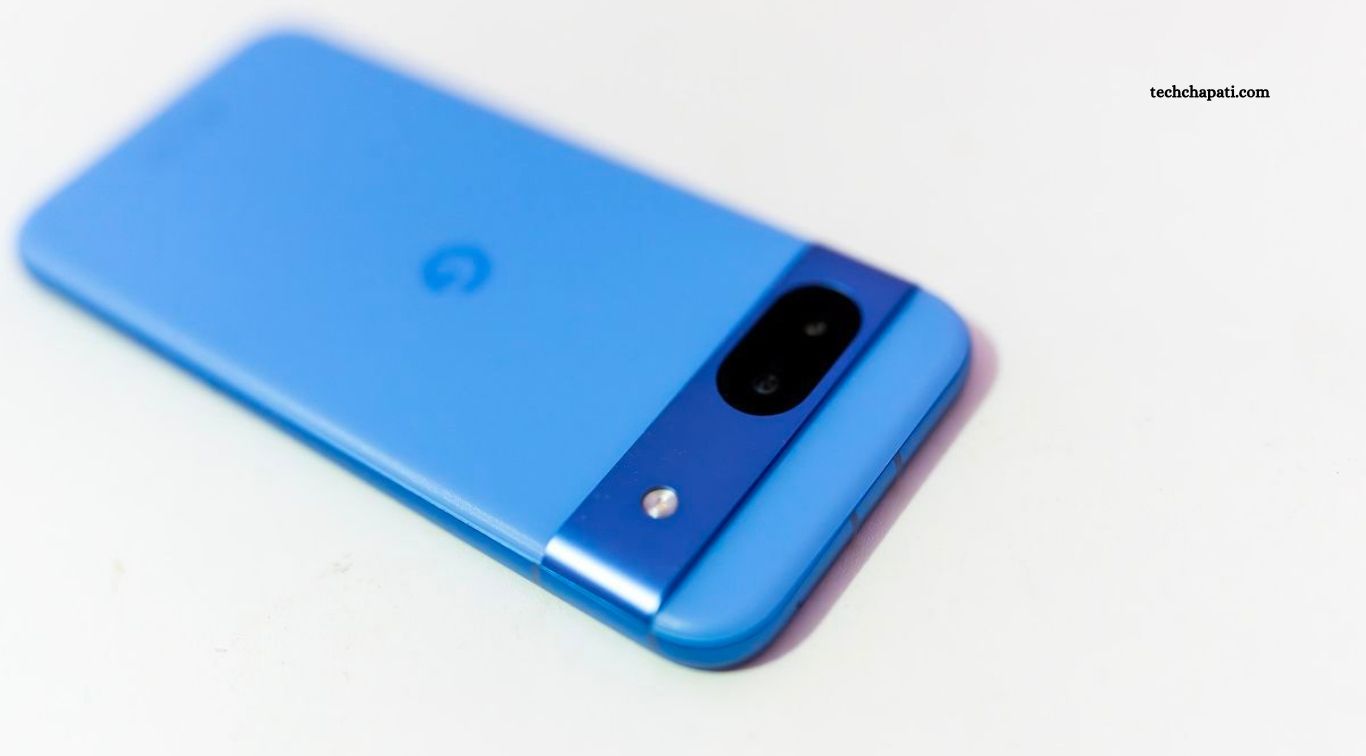
Smartphone cameras have improved significantly, making it easier to capture high-quality photos without carrying a dedicated camera. Modern camera phones include advanced sensors, optical image stabilization, multiple lenses, AI processing, and improved night photography features. These technologies help users capture everyday moments, travel memories, portraits, and videos with impressive detail.
However, impressive camera specifications do not always guarantee better photographs. Real-world image quality depends on how well a phone handles lighting, movement, colors, skin tones, and different shooting conditions. Understanding the camera phone features that matter most can help you choose a device that delivers reliable results in everyday photography.
Read More: How to Choose a Smartphone That Meets Your Everyday Needs
Camera Sensor Size and Image Quality
The camera sensor plays an important role in determining smartphone photo quality. It collects light through the lens and converts it into digital information that creates an image. Larger sensors can generally capture more light, which helps improve detail, dynamic range, and low-light performance. This advantage becomes especially noticeable when photographing indoor scenes, sunsets, or subjects in challenging lighting conditions.
Megapixel count is another commonly advertised camera specification, but it does not tell the complete story. A 200MP camera does not automatically produce better photos than a well-designed 50MP camera. Sensor quality, pixel size, lens performance, and image processing all influence the final result. Instead of focusing only on megapixels, compare actual photographs taken in different environments.
Optical Image Stabilization for Sharper Photos
Optical Image Stabilization, commonly called OIS, helps reduce unwanted camera movement while taking pictures. The technology adjusts the lens or sensor to compensate for small hand movements, allowing the camera to capture more stable images. This feature is particularly useful when shooting in low light, where the camera may need a longer exposure to collect enough light.
OIS can also improve video recording by reducing minor shakes during handheld shooting. However, it cannot completely prevent motion blur when the subject itself moves quickly. For example, photographing children, pets, or moving vehicles still requires suitable shutter speeds and steady shooting techniques. A phone with effective stabilization can make everyday photography easier, especially when users capture images without a tripod.
Night Mode and Low-Light Photography
Night mode has become an important feature in modern camera phones. It helps capture brighter and more detailed photographs in dark environments by combining multiple exposures and applying computational image processing. This allows users to photograph city streets, restaurants, buildings, and evening scenes without always needing additional lighting equipment.
The quality of night mode varies between smartphones. Some devices preserve natural colors and fine details, while others may produce excessive brightness, artificial textures, or unwanted noise reduction. A good night camera should balance brightness, contrast, and realistic colors instead of making every dark scene look unnaturally bright. OIS and a capable sensor can further improve results in challenging lighting conditions.
Optical Zoom and Telephoto Camera Lenses
Optical zoom allows users to photograph distant subjects without depending entirely on digital enlargement. Smartphones with dedicated telephoto lenses can capture portraits, buildings, wildlife, and distant objects with better detail than basic digital zoom. Different phones offer different optical zoom levels, so checking the actual lens capabilities is important before choosing a device.
Digital zoom works differently because it enlarges and processes an existing image rather than capturing additional optical detail. Some smartphones use computational photography to improve zoom quality, but results can still become softer at higher magnification levels. A dedicated telephoto camera is useful for people who frequently photograph distant subjects or prefer natural-looking portrait framing. For everyday wide-angle photography, however, it may not be an essential feature.
Ultra-Wide Cameras for Landscape and Group Photos
An ultra-wide camera captures a larger area than the main camera, making it useful for landscape photography, architecture, and group pictures. It allows users to fit more subjects into a single frame without moving too far away. Travelers can also use this lens to capture buildings, scenic locations, and indoor spaces where stepping backward is not practical.
Ultra-wide cameras can have different levels of quality compared with the primary sensor. Some produce excellent images with consistent colors, while others show softer corners, distortion, or reduced detail in low light. Before purchasing a smartphone, compare samples from its main and ultra-wide cameras. A high-quality ultra-wide lens can add creative flexibility, but poor image processing may make photographs look noticeably different between lenses.
HDR and Dynamic Range for Balanced Photos
High Dynamic Range, or HDR, helps a camera preserve details in both bright and dark areas of a photograph. This is especially useful when capturing scenes with strong sunlight, bright skies, and shaded subjects. Without effective HDR processing, the sky may become completely white or darker areas may lose important details.
Modern smartphones often combine multiple exposures to create a balanced image. Good HDR processing can maintain natural colors, realistic contrast, and visible details without making the photograph appear artificial. However, aggressive processing may produce unnatural brightness or excessive sharpness. A reliable camera should handle difficult lighting naturally, especially when photographing landscapes, windows, backlit portraits, and outdoor scenes.
AI Photography Features and Computational Processing
Artificial intelligence and computational photography have changed how smartphones process images. Camera software can recognize scenes, adjust exposure, improve colors, reduce noise, and optimize details automatically. These features allow users to capture attractive photographs without manually changing complicated camera settings.
Some smartphones also include AI-powered editing tools such as object removal, background adjustments, and photo enhancement. These options can help improve images after capture, although results depend on the software and the original photograph. Excessive processing may reduce natural textures or make skin tones look unrealistic. The best camera systems use intelligent processing to improve image quality while preserving the original appearance of the scene.
Portrait Mode and Natural Background Blur
Portrait mode helps separate a person or subject from the background by creating a blurred effect. This makes the main subject stand out and gives photographs a style similar to images captured with cameras using wider apertures. Modern smartphones use depth information, multiple cameras, and software processing to identify subjects and apply background blur.
The quality of portrait mode depends on how accurately the phone detects edges around hair, clothing, glasses, and other details. Some devices create realistic background separation, while others may blur parts of the subject or leave unnatural edges. A good portrait camera should also maintain accurate skin tones and natural facial details. Users can improve results by choosing suitable lighting and leaving enough distance between the subject and background.
Video Recording and Stabilization Features
Video recording is another important part of smartphone camera performance. Modern devices support features such as 4K recording, high frame rates, HDR video, and electronic or optical stabilization. These capabilities help users record travel clips, family events, social media content, and professional-looking footage without carrying extra equipment.
However, resolution alone does not determine video quality. Autofocus performance, exposure control, microphone quality, stabilization, and color consistency all influence the final recording. A smartphone that produces sharp 4K footage but struggles with changing light may not deliver the best overall experience. If you frequently record videos, test the camera while walking, filming moving subjects, and switching between different lighting conditions.
Autofocus and Shutter Speed in Everyday Photography
Autofocus determines how quickly and accurately a smartphone camera focuses on its subject. Reliable autofocus is important when photographing people, pets, moving objects, and spontaneous moments. Advanced systems may use phase detection, laser assistance, or subject tracking to keep important details sharp even when the subject changes position.
Shutter speed also affects the final image. A faster shutter can freeze movement, while a slower shutter allows more light to reach the sensor but increases the risk of blur. Some smartphones automatically adjust these settings, while professional camera modes allow users to control them manually. A responsive camera that focuses quickly and captures images without noticeable delay can make a bigger difference in everyday photography than an impressive megapixel number.
How to Choose a Camera Phone for Real-World Photography
Choosing the right camera phone starts with understanding how you normally take pictures. If you frequently photograph family members and friends, prioritize accurate skin tones, reliable autofocus, and natural portrait mode. Travelers may benefit from a combination of main, ultra-wide, and telephoto cameras, while people who take many evening photos should pay attention to sensor quality, OIS, and night mode performance.
It is also useful to compare real-world camera samples instead of relying only on manufacturer specifications. Look at outdoor photos, indoor portraits, moving subjects, low-light images, and videos. Check whether the phone maintains consistent colors across different lenses and whether its processing preserves natural details. A balanced camera system that performs reliably in several situations is often more useful than a device with one impressive headline feature.
Frequently Asked Questions
Which camera phone feature is most important?
Sensor quality, image processing, autofocus, and stabilization all contribute significantly to overall photo quality.
Are more megapixels always better?
No. Sensor size, lens quality, pixel processing, and lighting also affect image results.
Is OIS important in a smartphone camera?
Yes. OIS helps reduce camera shake and can improve photos and videos, especially in low light.
Is optical zoom better than digital zoom?
Optical zoom generally preserves more detail because it uses a dedicated lens rather than simply enlarging an image.
Does night mode improve low-light photos?
Yes. It can capture brighter images with improved detail, although results depend on the sensor and processing.
Should I buy a phone based on its camera specifications?
Compare real-world photo and video samples, because specifications alone cannot guarantee excellent camera performance.
Conclusion
The best camera phone is not necessarily the one with the highest megapixel count or the most camera lenses. Features such as sensor quality, optical image stabilization, night mode, autofocus, HDR, and image processing have a direct impact on everyday photographs. Telephoto and ultra-wide lenses also provide useful flexibility for different shooting situations. Before upgrading, consider your photography habits and compare how different smartphones perform in real-world conditions.

1 Comment
Pingback: Why Smartphone AI Features Are Becoming More Important - Tech Chapati