

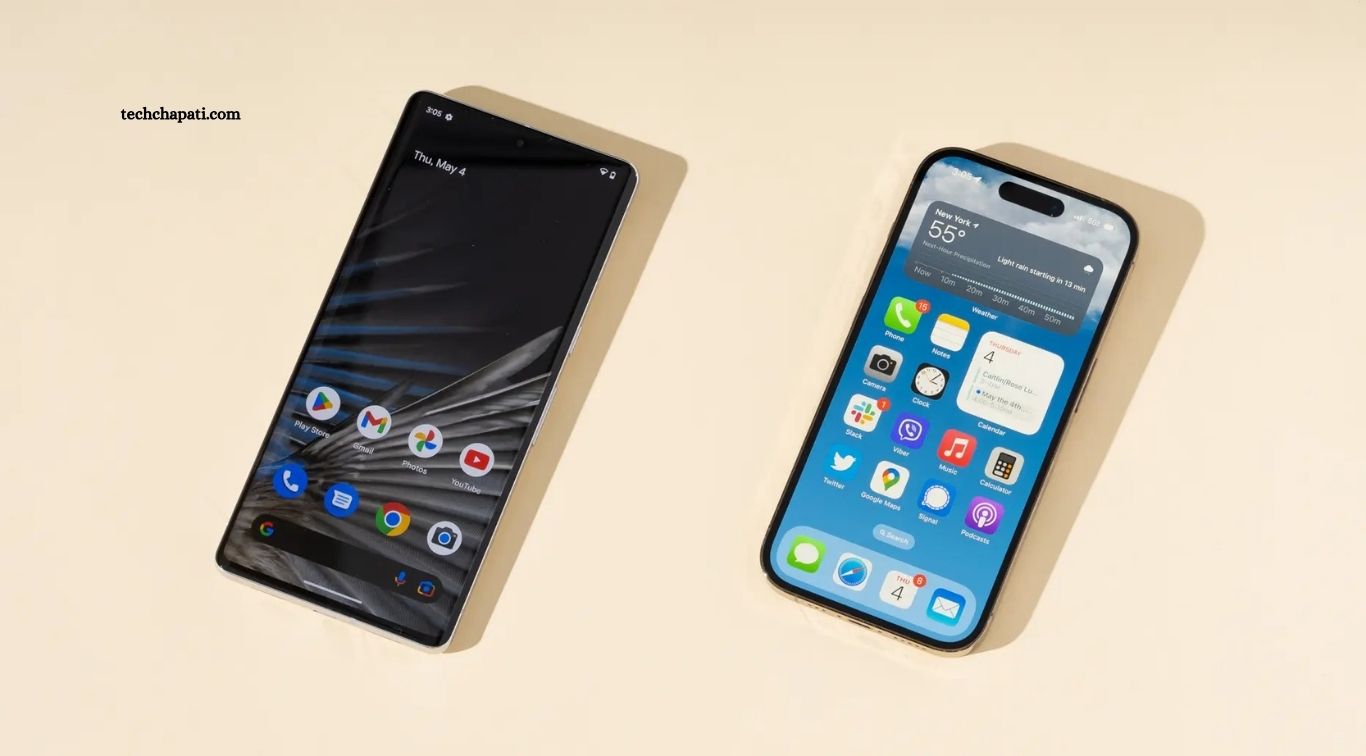
Choosing between Android and iPhone can be challenging because both platforms offer powerful features, reliable performance, and excellent smartphone experiences. Android devices come in a wide range of prices and designs, while Apple’s iPhone lineup focuses on a consistent user experience, long-term software support, and integration with other Apple products. The better choice depends on your budget, preferred features, and how you use your phone every day.
When comparing Android vs. iPhone, price alone does not determine value. Battery life, camera quality, performance, software updates, repair costs, and resale value all influence the overall ownership experience. Understanding these factors can help you choose a smartphone that meets your needs without spending more than necessary.
Read More: Best Smartphone Features to Look for Before You Upgrade
Android vs iPhone: Understanding the Main Differences
Android is a mobile operating system used by manufacturers such as Samsung, Google, and Xiaomi. This creates a diverse smartphone market with different screen sizes, camera systems, processors, battery capacities, and price points. Buyers can choose affordable everyday phones, premium flagships, or specialized devices designed for gaming and photography.
The iPhone runs Apple’s iOS operating system and is available through Apple’s smartphone lineup. Apple controls both the hardware and software experience, helping maintain consistency across supported devices. Android generally provides more hardware variety and customization, while iPhone emphasizes a streamlined interface and close integration with Apple’s ecosystem. Both platforms support popular apps, messaging services, navigation, photography, and mobile productivity.
Price and Affordability: Which Offers Better Value?
Android usually has the advantage when affordability is the main priority. Many manufacturers offer entry-level and midrange smartphones with large displays, capable cameras, and long-lasting batteries at relatively low prices. Buyers can also choose from multiple brands and compare specifications before making a purchase, making it easier to find a device that fits a specific budget.
iPhones generally occupy the midrange-to-premium market, although older models and refurbished devices can provide more affordable entry points. A lower-priced Android phone may offer excellent everyday value, while a used or discounted iPhone could appeal to someone who values Apple’s software and ecosystem. Compare the complete package—including storage, warranty, battery condition, software support, and repair costs—instead of judging a smartphone by its initial price alone.
Performance and Everyday Speed
Both Android and iPhone devices can deliver smooth performance, but the experience depends heavily on the particular model. Premium iPhones use Apple’s own processors, which are designed to work closely with iOS. This integration can provide strong performance in demanding games, photo editing, video recording, and everyday applications, while maintaining consistent behavior across supported devices.
Android performance varies because many manufacturers use different processors, memory configurations, and software interfaces. Premium Android phones can compete strongly with iPhones, while budget models may prioritize affordability over demanding tasks. For ordinary activities such as browsing, messaging, and watching videos, a good midrange phone may be more than sufficient. Buyers should compare real-world performance and device reviews rather than assuming every iPhone is faster than every Android phone.
Camera Quality: Android vs iPhone
iPhones are popular for consistent image processing, dependable video recording, and straightforward camera controls. Many models produce natural-looking photos and offer reliable results across everyday situations. Features such as stabilization, portrait photography, and high-quality video can make iPhones attractive to users who frequently record family moments, create social media content, or capture videos for professional projects.
Android phones offer a wider variety of camera experiences. Some flagship models provide high-resolution sensors, powerful zoom systems, advanced night photography, and extensive manual controls. Other Android devices focus on delivering useful photography features at lower prices. Camera performance depends on the specific model, sensor quality, image processing, and available lenses. Compare sample photos and videos from the exact phones you are considering, particularly if zoom, low-light photography, or video quality matters most.
Battery Life and Charging Speed
Battery life depends on several factors, including battery capacity, processor efficiency, display brightness, network conditions, and software optimization. Both Android and iPhone devices can last a full day under suitable usage conditions, but demanding gaming, navigation, video recording, and mobile data use can reduce battery life significantly. A phone with a large battery does not automatically outperform a smaller device with efficient hardware and software.
Android phones often provide more variety in charging speeds and battery capacities, with some models supporting particularly fast wired charging. Charging capabilities vary by manufacturer and device, so buyers should check the specifications of individual models. iPhones also offer wired and wireless charging options, depending on the model and accessories. If you regularly use your phone throughout the day, prioritize independent battery tests, charging times, and battery replacement costs rather than relying on capacity figures alone.
Software Updates and Long-Term Support
Software support is an important factor when evaluating smartphone value. Apple provides iOS updates across supported iPhone models, and its controlled hardware lineup helps deliver a relatively consistent update experience. Longer software support can extend a phone’s useful life, improve security, and reduce the need to replace a device simply because it has become outdated.
Android support varies by manufacturer, model, and product category. Some manufacturers now offer extended update commitments for selected flagship and midrange phones, while lower-cost models may receive shorter support periods. Before buying, check the manufacturer’s stated operating-system and security-update policy for the exact device. A smartphone that receives updates for many years may provide better long-term value, even if its initial price is slightly higher.
Customization and Ease of Use
Android is often the better option for users who want greater control over their smartphone experience. Depending on the manufacturer and software version, users can customize home screens, widgets, default applications, launchers, and other interface elements. Android also offers a broad range of device designs and features, giving buyers more flexibility to choose a phone that matches their preferences.
iOS offers a consistent interface designed to make common tasks straightforward. Users can customize several aspects of the home screen and settings, but some system-level options remain more restricted than on Android. People who prefer a simple, predictable experience may appreciate iOS, while users who enjoy adjusting their device may prefer Android. Neither approach is universally better; the right choice depends on how much customization you want and how comfortable you feel managing different settings.
App Availability and Gaming Experience
Both Android and iPhone provide access to major applications for communication, banking, productivity, entertainment, photography, and social networking. Most widely used services are available on both platforms, although certain apps, features, and early releases may differ by region or operating system. Before purchasing a phone for a specific purpose, confirm that the apps you depend on support your intended device.
Gaming performance depends on the phone’s processor, graphics capabilities, cooling system, display, and battery life. Premium Android phones and iPhones can run demanding mobile games, while affordable models are better suited to casual gaming and less demanding titles. Android offers a broad range of gaming-oriented devices, including models with specialized cooling and high-refresh-rate displays. iPhones can also deliver strong gaming performance, but buyers should compare the supported games, sustained performance, and price of individual models.
Security, Privacy, and Device Protection
Apple emphasizes privacy controls, app permissions, and close integration between hardware and software. iOS includes features that help users manage access to their location, photos, microphone, and other information. However, privacy also depends on how applications are used, which settings are enabled, and what information users choose to share.
Android includes security protections, permission controls, and privacy settings, although the exact features can vary by manufacturer and software version. Keeping the operating system updated, downloading apps from trusted sources, using strong authentication, and reviewing app permissions can improve security on either platform. No smartphone is completely immune to scams, malicious applications, or account theft. Good digital habits are just as important as choosing between Android and iPhone.
Resale Value and Total Cost of Ownership
Resale value can make a meaningful difference when comparing smartphone costs over several years. iPhones often retain a relatively strong resale value, although the amount depends on model, age, storage capacity, battery condition, physical damage, and local market demand. A higher resale price may offset some of the initial purchase cost when you upgrade to a newer device.
Android resale values vary considerably between brands and models. Certain premium Android phones maintain stronger demand, while some budget devices lose value quickly. Buyers should consider the purchase price, expected ownership period, accessories, repairs, battery replacement, and likely resale value together. For example, a more expensive phone that remains useful and retains its value may cost less over time than a cheaper device that needs replacement sooner.
Which Smartphone Offers Better Value for Different Users?
Android is often the stronger choice for budget-conscious buyers, people who want extensive customization, and users who prefer a wide selection of hardware. It is also worth considering if you need specific features such as a large battery, fast charging, a dedicated gaming design, or a phone at a particular price point. The key is to choose a model with dependable performance, adequate storage, and a suitable software-update policy.
An iPhone may offer better value for people who already use Apple products, want consistent video quality, prefer iOS, or plan to keep their phone for several years. Its resale value and integration with products such as Macs, iPads, and Apple Watches may make the overall experience more convenient. However, an Android flagship can be equally compelling for users who prefer its features. Compare specific devices at similar prices before making a final decision.
Frequently Asked Questions
Is Android cheaper than iPhone?
Android offers more budget-friendly options, while iPhones generally focus on the midrange and premium markets.
Which lasts longer, Android or iPhone?
Both can last several years. Software support, battery health, build quality, and repairability influence lifespan.
Is the iPhone camera better than Android?
It depends on the models being compared. Both platforms offer excellent cameras, but performance varies by feature.
Which is better for gaming?
Premium devices on both platforms perform well. Compare processor performance, cooling, display quality, and game compatibility.
Do iPhones have better resale value?
Many iPhones retain strong resale value, but the result depends on the model and local market conditions.
Which is better for long-term value?
Either can offer good value. Consider purchase price, software updates, battery life, repair costs, and resale value.
Conclusion
The choice between Android and iPhone depends on your priorities, budget, and preferred smartphone experience. Android stands out for its broad selection of devices, flexible customization, and affordable options. iPhone offers a consistent software experience, strong ecosystem integration, capable cameras, and often competitive resale value. Both platforms can deliver excellent performance, security features, and access to essential applications.

1 Comment
Pingback: Smartphone Battery Tips That Help Your Phone Last Longer - Tech Chapati