

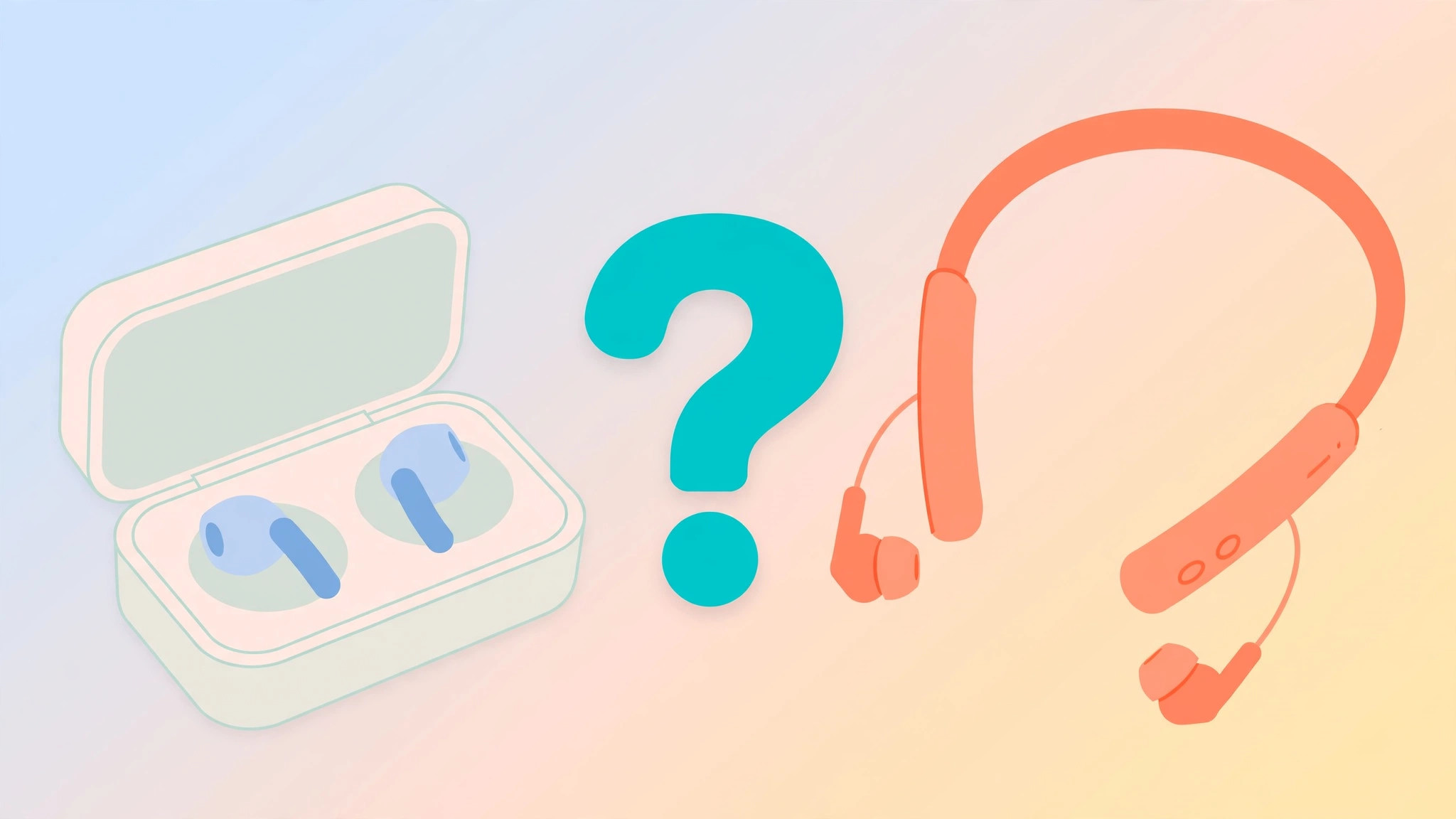
Walk into any electronics store or open Flipkart in 2026 and you’ll face the same dilemma: true wireless stereo (TWS) earbuds or neckband earphones? Both start under ₹1,000, both promise great sound and long battery, and both have passionate fans. The right choice depends entirely on how you listen: your commute, your workouts, your calls, and your budget.
This guide compares TWS earbuds and neckband earphones across every factor that matters, with India-specific prices and recommendations, so you can buy with confidence.
The Short Answer
- Buy TWS earbuds if you want compact portability, the best call quality with modern ENC, low-latency gaming modes, and a premium feel.
- Buy neckband earphones if you want maximum battery life per rupee, never want to lose an earbud, prefer all-day comfort, and want the best value under ₹1,500.
Now, the detailed breakdown.
1. Sound Quality
At the budget end (under ₹2,000), both categories use similar driver sizes (typically 10–13mm dynamic drivers), so raw sound quality is closer than marketing suggests. Differences come from tuning and codecs.
TWS earbuds in 2026 commonly support AAC and sometimes LDAC on pricier models, with app-based EQ customisation from brands like Noise, realme, and OnePlus. Neckbands from boAt and Noise now also offer decent tuning with bass-heavy signatures that Indian buyers tend to like.
Verdict: Roughly equal under ₹2,000. TWS pulls ahead above ₹3,000 where better codecs and tuning appear.
2. Battery Life
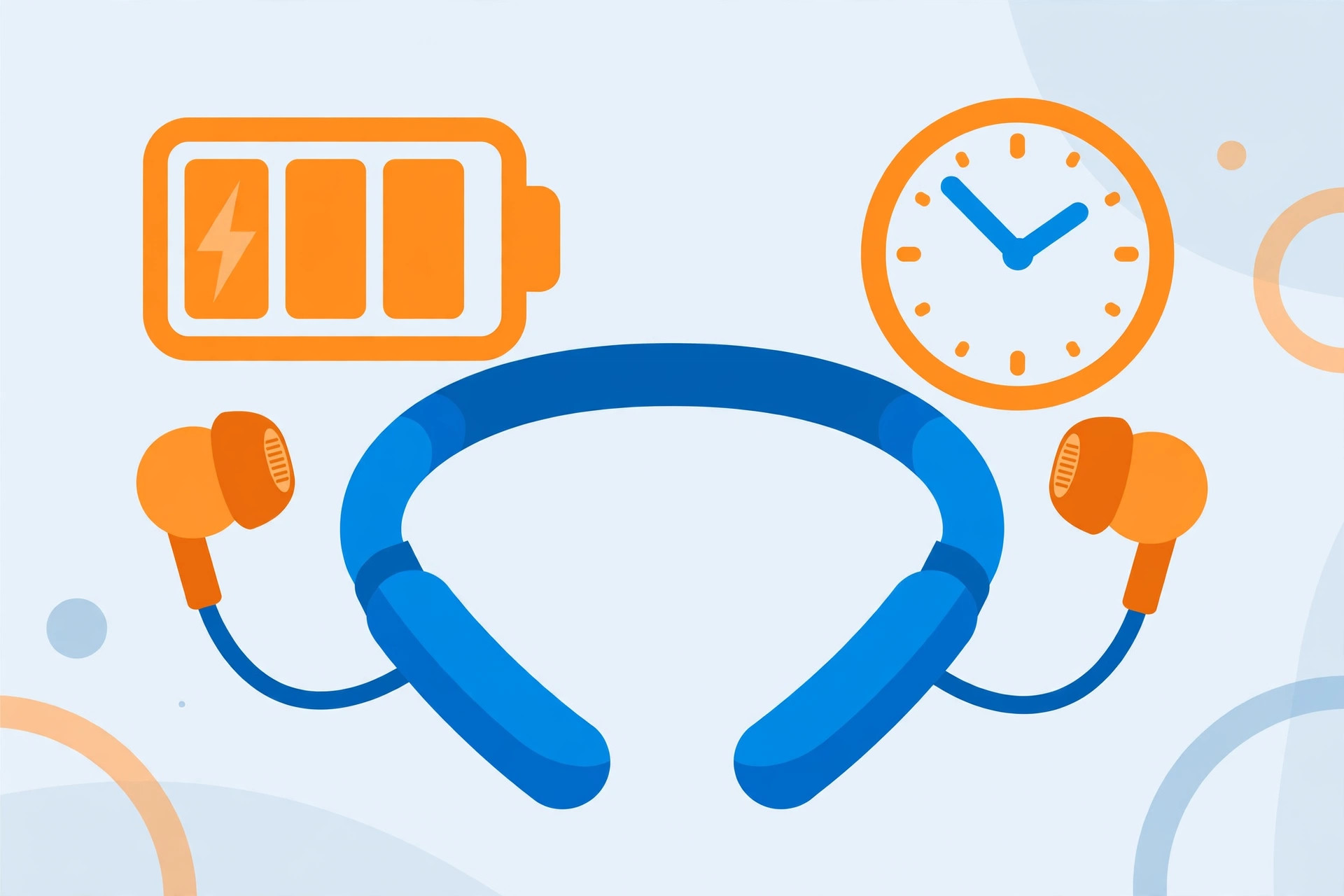
This is the neckband’s home turf. A neckband’s larger body houses a bigger battery: 200+ hours of claimed standby and 40–60 hours of playback are common on models like the boAt Rockerz series, with 10 minutes of charging giving 10+ hours of playback.
TWS earbuds rely on the charging case: buds typically give 6–8 hours per charge, with the case extending total playback to 30–50 hours. That’s plenty for most people, but the neckband wins on sheer endurance and fewer charging cycles.
Verdict: Neckband wins clearly: ideal if you forget to charge devices.
3. Comfort and Fit
TWS earbuds sit entirely in your ear, which some users find fatiguing over long sessions. A poor fit also means poor bass and constant readjustment, especially while walking through crowded Indian streets or on a bumpy bus ride.
Neckbands rest the weight on your neck, with lightweight buds that don’t press into the ear canal as aggressively. When not in use, the buds snap together magnetically and hang around your neck: no pocket-fumbling, no lost buds.
Verdict: Neckband wins for all-day wear; TWS wins for discretion and a “nothing on your neck” feel.
4. Call Quality
This is where modern TWS earbuds have pulled decisively ahead. Quad-mic setups with AI environmental noise cancellation (ENC) on 2026 TWS models handle auto-rickshaw horns, metro announcements, and office chatter remarkably well.
Neckbands place the microphone further from your mouth, and while flagship neckbands have improved, budget models still pick up more ambient noise. If you take lots of calls (office workers, take note), TWS is the safer pick.
Verdict: TWS wins for calls, especially in noisy Indian environments.
5. Latency and Gaming
Mobile gaming (BGMI, Free Fire) is huge in India, and audio lag ruins the experience. TWS earbuds now ship with dedicated low-latency gaming modes (often 40–60ms), which is perfectly playable.
Neckbands, using standard Bluetooth without gaming modes on most budget models, typically sit at 150–200ms latency, which is noticeable when footsteps don’t match the action.
Verdict: TWS wins for gaming, no contest.
6. Durability and Sweat Resistance
Both categories commonly offer IPX4 or IPX5 ratings, fine for gym sweat and light rain (handy during monsoon season). Neckbands have a slight edge: no tiny case to lose, fewer delicate hinges, and the band itself is hard to misplace.
TWS earbuds are easier to lose: a single bud slipping out on a crowded Mumbai local is a real risk. That said, “find my buds” features in companion apps have improved.
Verdict: Neckband wins on loss-proofing; water resistance is a tie.
7. Price in India (2026)
- Under ₹1,000: Neckbands dominate. You get 40+ hour battery and decent sound. TWS options exist but with compromises in mic quality and build.
- ₹1,000–₹2,000: The sweet spot for both. Good neckbands (boAt Rockerz 255 series, Noise Nerve) and solid TWS (boAt Airdopes, Noise Buds, realme Buds) compete fiercely.
- ₹2,000–₹3,000: TWS takes the lead: better ENC, lower latency, app support (OnePlus Nord Buds, realme Buds Air series, Noise Buds Pro).
- Above ₹3,000: TWS territory almost entirely, with ANC models from OnePlus, Oppo, and Samsung.
Who Should Buy Which?
Commuters (metro, local trains, buses): TWS earbuds: compact, great call quality for noisy commutes, and the case protects them in your pocket.
Gym-goers and runners: Neckband: sweat-proof, impossible to lose mid-workout, and marathon battery life.
Office workers (long calls, video meetings): TWS earbuds: superior microphones and ENC for clear calls.
Students on a tight budget: Neckband under ₹1,500: unbeatable value, and you won’t cry if you lose it.
Mobile gamers: TWS with a gaming/low-latency mode: the lag difference is immediately noticeable.
Travellers (long train/flight journeys): Neckband: 50+ hours means no charging anxiety on a 24-hour train journey.
Example Models Worth Considering
Neckbands: boAt Rockerz 255 Pro+, Noise Nerve Pro, realme Buds Wireless 3 Neo, all in the ₹1,000–₹2,000 range with fast charging and long battery life.
TWS earbuds: boAt Airdopes 141/161, Noise Buds VS104, realme Buds T110, OnePlus Nord Buds 3, spanning ₹1,000–₹3,000 with ENC mics and low-latency modes.
As with all consumer tech, it’s worth keeping an eye on the bigger picture: AI industry developments that could reshape gadgets are already bringing smarter noise cancellation to budget audio, Google’s expanding AI ecosystem is influencing features like live translation in earbuds, and staying aware of cybersecurity threats matters as companion apps collect more of your data.
FAQs
Are TWS earbuds safe for long daily use?
Yes, at moderate volumes. Follow the 60/60 rule: no more than 60% volume for 60 minutes at a stretch. Give your ears breaks. Both TWS and neckbands are safe when used sensibly.
Do neckbands support fast charging?
Most 2026 neckbands from boAt, Noise, and realme offer fast charging: typically 10 minutes of charging for 10–15 hours of playback via USB-C. It’s one of the category’s biggest practical advantages.
Which lasts longer overall: TWS or neckband?
Neckbands generally offer longer total playback (40–60 hours) without needing a case recharge. TWS earbuds give 6–8 hours per bud charge, with the case providing 3–4 top-ups. For forgetful chargers, neckbands are more forgiving.
Can I use TWS earbuds for BGMI/gaming?
Yes: choose models with a dedicated gaming/low-latency mode (usually 40–60ms). Budget neckbands without gaming modes will have noticeable audio lag, making them poor for competitive gaming.
Are expensive TWS earbuds worth it over budget ones?
Above ₹3,000 you get meaningful upgrades: active noise cancellation, better codecs (LDAC), wireless charging, and superior mics. Below that, the differences are smaller: a ₹1,500 TWS and a ₹2,500 TWS sound more similar than their prices suggest.
Which is better for taking calls in traffic or noisy streets?
TWS earbuds with quad mics and AI ENC handle Indian street noise far better than most budget neckbands. If calls are your priority, TWS is the clear choice.
Conclusion
There is no universal winner: only the right choice for your life. Pick TWS earbuds if calls, gaming, portability, and modern features matter most to you, and your budget stretches to ₹1,500+. Pick a neckband if you want the longest battery, the lowest price, zero risk of losing an earbud, and comfortable all-day wear, especially under ₹1,500. Either way, stick to reputed brands like boAt, Noise, realme, or OnePlus, check the IP rating if you sweat or face the monsoon, and buy from official stores or fulfilled sellers. Your ears will thank you.

2 Comments
Pingback: Best Smartphones Under Rs 20,000 in India (November 2026)
Pingback: Android 16 Update Eligible Phones in India (2026) | Full List