

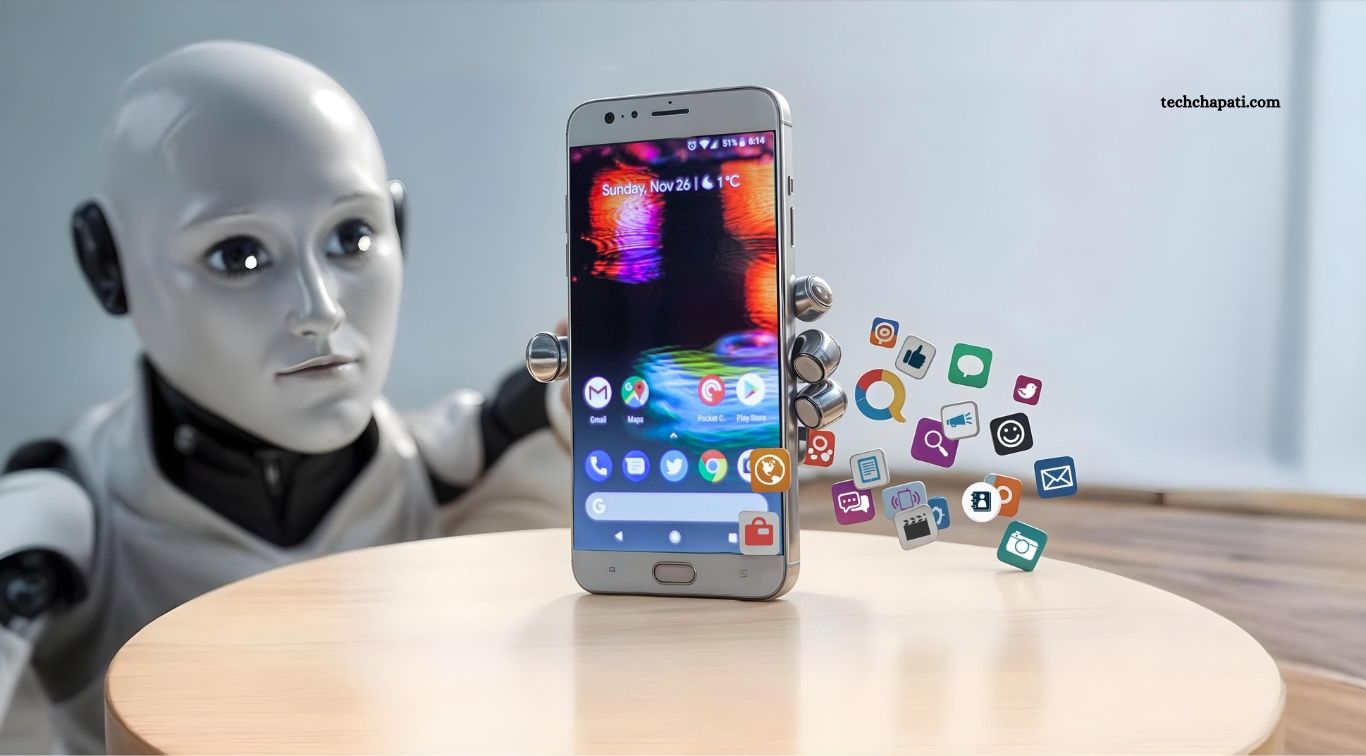
Smartphones have evolved from simple communication devices into powerful tools for work, entertainment, photography, and everyday productivity. One of the biggest developments driving this transformation is artificial intelligence (AI). Modern smartphones increasingly include AI-powered features that help users take better photos, manage tasks, translate languages, improve security, and interact with their devices more naturally.
As mobile technology advances, smartphone AI features are becoming more important for both manufacturers and consumers. These tools can simplify everyday activities, save time, and provide more personalized experiences. From intelligent voice assistants to on-device AI processing, artificial intelligence is changing how people use smartphones and influencing what they expect from future devices.
Read More: Camera Phone Features That Make a Difference in Real-World Photos
What Are Smartphone AI Features?
Smartphone AI features are technologies that use artificial intelligence and machine learning to perform tasks, understand user behavior, and improve device functionality. These systems can recognize images, process language, analyze information, and make predictions based on available data. Many modern smartphones use AI to improve camera performance, suggest useful actions, organize content, and optimize device settings.
Some AI functions operate through cloud-based services, while others run directly on the smartphone using specialized processors. On-device AI can perform certain tasks without sending information to external servers, potentially improving response times and privacy. The exact capabilities depend on the phone’s hardware, software, operating system, and supported applications.
AI Is Improving Smartphone Photography
Photography is one of the most visible areas where artificial intelligence has changed smartphone technology. AI-powered camera systems can recognize scenes, identify subjects, adjust exposure, and improve colors automatically. These features help users capture clearer pictures in different lighting conditions without needing advanced photography knowledge or manually adjusting every camera setting.
Modern smartphones also use computational photography to combine multiple images, reduce noise, improve details, and enhance night photography. Some devices offer AI editing tools that can remove unwanted objects, adjust backgrounds, or improve image composition. Although these features make mobile photography more convenient, users should understand that AI-generated edits can change original image details and may not always represent a completely unaltered photograph.
AI Assistants Make Smartphones Easier to Use
AI-powered assistants are becoming more capable of understanding natural language and helping users complete everyday tasks. Instead of relying only on fixed commands, modern assistants can interpret questions, provide explanations, summarize information, and support more conversational interactions. This makes smartphones easier to use for people who want quick assistance without navigating multiple applications.
Voice-based AI tools can also help users set reminders, send messages, manage schedules, search for information, and control compatible smart home devices. More advanced systems may understand context and connect different tasks within supported applications. However, their usefulness depends on language support, internet access, device compatibility, and the accuracy of generated responses. Users should verify important information before acting on it.
On-Device AI Is Improving Speed and Privacy
On-device AI allows smartphones to process certain artificial intelligence tasks directly on their internal hardware. This approach can reduce the need to send every request to a remote server, making supported features faster and potentially more private. Tasks such as image recognition, voice processing, text suggestions, and selected language functions may work locally when the device has suitable hardware and software.
Privacy is an important reason why on-device AI is attracting attention. When personal information can be processed locally, less data may need to leave the smartphone. However, not every AI feature operates entirely offline, and some services still require cloud processing. Users should review privacy settings, understand which services collect information, and check how manufacturers handle stored data.
AI Is Making Smartphone Productivity Better
Artificial intelligence is helping users complete everyday work more efficiently. AI writing assistants can suggest improvements, correct grammar, summarize long messages, and help organize information. Some smartphones also include tools for recording meetings, converting speech into text, and summarizing supported documents, reducing the time required to manage routine tasks.
These capabilities can be especially useful for students, professionals, business owners, and people who frequently communicate through their phones. AI-powered scheduling suggestions, smart replies, and document assistance can simplify daily activities. However, generated summaries and written content may contain mistakes or miss important details. Users should review AI-generated material before sharing it or relying on it for important decisions.
Real-Time Translation Is Breaking Language Barriers
AI-powered translation is making communication across different languages more convenient. Modern smartphones can translate selected text, recognize spoken language, and provide translated conversations through supported applications. These tools are useful for travelers, international students, remote workers, and people communicating with friends or customers from other countries.
Real-time translation can also improve accessibility by helping users understand foreign-language content without manually searching for every word. Some devices support offline language packs, while others depend on internet connections for more advanced translation services. Although accuracy continues to improve, AI translation may struggle with regional expressions, technical terms, accents, and cultural context. Important legal, medical, or business communication should receive appropriate human review.
AI Is Strengthening Smartphone Security
Smartphone security is another area where artificial intelligence plays an important role. AI systems can help identify suspicious behavior, detect unusual application activity, recognize potential threats, and support biometric authentication. These technologies can improve how devices respond to security risks while helping users protect personal information, accounts, and digital payments.
AI-powered security tools may also help identify spam messages, suspicious links, and potentially fraudulent activity. However, artificial intelligence does not make a smartphone completely secure. Users should install software updates, download applications from trusted sources, enable strong authentication methods, and avoid sharing sensitive information with unknown services. A combination of intelligent security features and responsible digital habits offers better protection.
Smartphone AI Features Are Supporting Accessibility
Artificial intelligence is making smartphones more accessible to people with different needs. Speech recognition, live captions, text-to-speech tools, image descriptions, and voice controls can help users interact with digital content in more convenient ways. These features can reduce barriers for people who have difficulty hearing, seeing, speaking, or using traditional touchscreen controls.
AI-powered accessibility tools are also improving how users understand their surroundings and communicate with others. Depending on the device, a camera may describe visible objects, while voice features can help users navigate applications without relying entirely on touch. These technologies are not perfect replacements for dedicated accessibility equipment, but they provide additional options that can make everyday smartphone use easier.
Why Smartphone Manufacturers Are Investing in AI
Smartphone manufacturers are investing in artificial intelligence because it offers new ways to differentiate their products. As hardware specifications such as screen size, battery capacity, and camera resolution become increasingly competitive, software intelligence provides another area for innovation. Companies can introduce AI-powered editing, productivity, communication, and personalization features to create more useful user experiences.
AI capabilities can also influence purchasing decisions and encourage consumers to upgrade older devices. However, not every smartphone needs advanced AI hardware, and some features may eventually become available through software updates or third-party applications. Buyers should compare practical capabilities, long-term software support, privacy policies, and overall device performance instead of choosing a phone based only on its AI marketing.
Challenges and Limitations of Smartphone AI
Despite its advantages, smartphone AI still faces several challenges. Some features require powerful processors, sufficient memory, and modern software, which means older or budget devices may not support them. Cloud-based services may also depend on reliable internet connections, while advanced processing can increase battery consumption and device temperature during demanding tasks.
Accuracy and privacy are additional concerns. AI systems can produce incorrect answers, misunderstand spoken commands, or generate misleading images and information. Some services also require access to personal data to provide customized results. Users should understand the permissions they grant, check how information is handled, and avoid relying on AI output without verification. Responsible development and clear privacy controls will be essential as these features become more common.
The Future of AI in Smartphones
The future of smartphone AI will likely focus on more personalized, responsive, and context-aware experiences. Devices may become better at understanding user preferences, organizing daily activities, assisting with communication, and connecting different applications. Improvements in mobile processors and efficient AI models could also allow more advanced features to operate directly on smartphones.
Future devices may offer more natural voice interactions, intelligent photography tools, real-time assistance, and improved accessibility. However, successful innovation will depend on more than adding new features. Manufacturers will need to balance performance, battery life, affordability, privacy, and reliability. Smartphones that provide genuinely useful AI capabilities without making everyday tasks complicated are likely to offer the greatest long-term value.
Frequently Asked Questions
Why are AI features important in smartphones?
They improve photography, productivity, security, communication, accessibility, and everyday device interactions.
Do all smartphones support AI features?
Most modern smartphones use some AI, but advanced features depend on hardware, software, and manufacturer support.
Can smartphone AI work without the internet?
Some on-device AI features work offline, while cloud-based tools require an internet connection.
Does smartphone AI affect battery life?
Yes, demanding AI processing can consume additional power, although efficient hardware can reduce its impact.
Are smartphone AI features safe for privacy?
They can support privacy through on-device processing, but users should review permissions and data policies.
Will AI replace traditional smartphone applications?
No. AI will enhance many applications, but traditional apps will remain important for specific tasks and services.
Conclusion
Smartphone AI features are becoming more important because they make mobile devices smarter, more convenient, and better suited to modern lifestyles. From improved photography and intelligent assistants to real-time translation, productivity tools, and stronger security, artificial intelligence is changing how people interact with their smartphones. These capabilities also create new opportunities for accessibility and personalized digital experiences. As manufacturers continue developing AI-powered devices, users can expect more advanced features and improved on-device processing.
